
LED strip lighting has evolved far beyond decorative illumination. In modern industrial facilities, architectural projects, transportation systems, and outdoor installations, LED strips now function as highly engineered lighting components designed for efficiency, durability, and intelligent control. Advancements in chip density, waterproofing materials, voltage optimization, and digital control technologies have transformed flexible lighting systems into practical solutions for demanding environments.
Today’s lighting engineers focus not only on brightness levels but also on thermal stability, signal reliability, environmental protection, and long-term operational performance. High-density LED strips, silicone neon systems, and digitally addressable RGB lighting are becoming increasingly important in projects requiring continuous operation and precise visual control.
The Rise of High-Density LED Strip Configurations
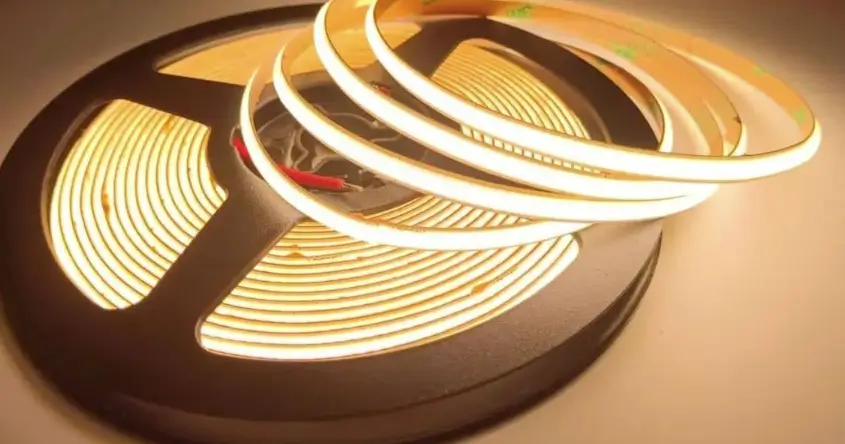
One of the major developments in LED strip engineering is the adoption of high-density chip layouts. A strong example is the 3014 LED Strip Light with 240 LEDs integrated into a compact 5000x8mm structure.
This high LED density offers several engineering advantages. First, it significantly improves light uniformity. Traditional low-density strips often create visible lighting points or uneven diffusion, especially in shallow-profile installations. By increasing the number of LEDs per meter, manufacturers can produce smoother and more continuous illumination without requiring heavy diffusers.
The compact 8mm width also improves installation flexibility. Narrow-profile strips can be integrated into confined architectural spaces such as recessed shelves, display cabinets, machinery edges, and aluminum extrusion channels. This is especially useful in commercial and industrial projects where installation space is limited.
Another benefit of dense LED arrangements is improved brightness consistency across long lighting runs. Because light output is distributed across more diodes, individual LEDs operate under lower stress levels, which can contribute to longer operational lifespan and reduced thermal concentration.
In practical applications, high-density strips are commonly used in:
- Retail display lighting
- Industrial workstation illumination
- Under-cabinet architectural lighting
- Signage systems
- Control panel backlighting
- Equipment edge lighting
For large infrastructure and facility projects, engineers evaluating waterproof LED strip lights wholesale options often prioritize density consistency and PCB quality over decorative features alone.
Waterproofing and Environmental Protection in LED Systems
Outdoor and industrial lighting environments expose LED systems to moisture, dust, chemicals, and fluctuating temperatures. To address these challenges, manufacturers increasingly use silicone-based protective materials in flexible lighting products.
The 2010 Silicone Neon Light design represents an important advancement in waterproof strip lighting technology. Unlike conventional PVC-coated strips, silicone neon systems offer improved flexibility, UV resistance, and long-term environmental durability.
Silicone materials provide several technical benefits:
Improved Weather Resistance
Silicone maintains flexibility across wider temperature ranges compared to standard plastic coatings. This makes it suitable for outdoor architectural facades, landscape installations, and transportation infrastructure.
Enhanced Waterproof Performance
Sealed silicone construction helps protect internal circuitry against rain, humidity, and airborne contaminants. Proper waterproofing is especially critical in industrial settings where dust or moisture exposure can affect electrical reliability.
Better Light Diffusion
Silicone neon structures create continuous linear illumination by diffusing LED hotspots. This improves visual comfort while maintaining consistent brightness.
Chemical Stability
Industrial facilities may expose lighting systems to oils, cleaning agents, or chemical vapors. Silicone materials generally offer stronger chemical resistance than lower-cost alternatives.
These characteristics make silicone neon systems valuable for bridges, commercial exteriors, marine installations, and factory environments where lighting must operate reliably for extended periods.
Importance of DC24V Power Architecture
Voltage selection plays a major role in LED strip system performance. The DC24V input voltage used in many industrial-grade neon lighting systems provides important engineering advantages compared to lower-voltage alternatives.
One key advantage is reduced voltage drop across long cable runs. In extended installations, lower-voltage systems may exhibit uneven brightness as the distance from the power source increases. A 24V architecture helps maintain more stable illumination over greater lengths, reducing the need for excessive power injection points.
This becomes particularly important in:
- Warehouse lighting systems
- Long corridor installations
- Outdoor architectural outlines
- Large signage structures
- Commercial perimeter lighting
DC24V systems also support improved energy efficiency by reducing current requirements for equivalent power delivery. Lower current flow helps minimize cable heating and energy loss within the wiring infrastructure.
From a safety and maintenance perspective, standardized 24V systems simplify power supply selection and compatibility across multiple project types.
Intelligent RGB Control Using IC2811 Technology
Lighting control systems have become increasingly sophisticated as smart automation and dynamic lighting applications expand. The SMD5050 RGB LED IC with IC2811 technology demonstrates how addressable lighting systems enable advanced visual effects and programmable operation.
Unlike standard RGB strips, where all LEDs display the same color simultaneously, IC-controlled strips allow segmented or individual control across the lighting run. This enables dynamic lighting sequences, animations, gradients, and programmable patterns.
From an engineering standpoint, IC2811 systems provide several functional advantages:
Digital Signal Control
Integrated control chips manage data communication between LEDs, ensuring synchronized operation across complex lighting installations.
Customizable Lighting Zones
Programmable segmentation allows independent adjustment of color and brightness across different sections of the strip.
Smart Integration
Addressable RGB systems can integrate with building automation systems, entertainment controllers, and DMX lighting platforms.
Reduced External Hardware Complexity
Built-in control architecture simplifies wiring layouts compared to traditional multi-controller systems.
These systems are frequently used in:
- Entertainment venues
- Smart building facades
- Interactive retail environments
- Event production systems
- Gaming and media spaces
- Transportation lighting effects
In industrial applications, programmable lighting can also support operational visibility, status indication systems, or safety zone differentiation.
Thermal Management and Long-Term Reliability
As LED density and brightness levels increase, thermal engineering becomes increasingly important. Excessive heat accumulation remains one of the primary causes of LED degradation and premature failure.
Several design strategies help improve long-term reliability:
- Aluminum profile integration for heat dissipation
- High-quality PCB substrates with better conductivity
- Controlled operating current levels
- Proper ventilation within enclosed installations
- Balanced LED chip spacing
High-density strips such as 240-LED configurations particularly benefit from efficient thermal pathways because concentrated chip layouts can generate localized heat buildup if improperly managed.
Professional installations often combine flexible strips with aluminum channels not only for aesthetics but also for thermal stability and structural support.
These considerations are critical when sourcing products from an industrial LED strip light supplier for commercial-scale deployments where maintenance access may be limited.
Applications Across Modern Infrastructure
Modern LED strip systems are now widely integrated into technical and architectural environments:
Industrial Facilities
Factories and production areas use LED strips for equipment lighting, pathway visibility, and safety guidance.
Transportation Systems
Airports, railway stations, and public transit systems integrate linear LED lighting for directional guidance and architectural enhancement.
Commercial Architecture
Building facades use waterproof neon systems for visual identity and nighttime illumination.
Smart Cities
Programmable RGB lighting supports urban decoration, event synchronization, and energy-efficient public lighting strategies.
Marine and Outdoor Installations
Silicone-protected LED systems withstand humid and corrosive environments more effectively than traditional lighting alternatives.
Conclusion
The evolution of LED strip technology reflects broader advancements in electrical engineering, materials science, and smart automation. Features such as high-density 3014 LED layouts, DC24V silicone neon systems, and IC2811-controlled RGB lighting demonstrate how modern strip lighting is designed for performance rather than simple decoration.
Today’s LED systems must balance durability, thermal efficiency, voltage stability, and intelligent control capabilities while operating in increasingly demanding environments. As infrastructure projects continue adopting energy-efficient lighting technologies, flexible LED systems will remain an essential component of industrial, architectural, and smart-city lighting design.


 By
By

 By
By